Tiếng Việt










-
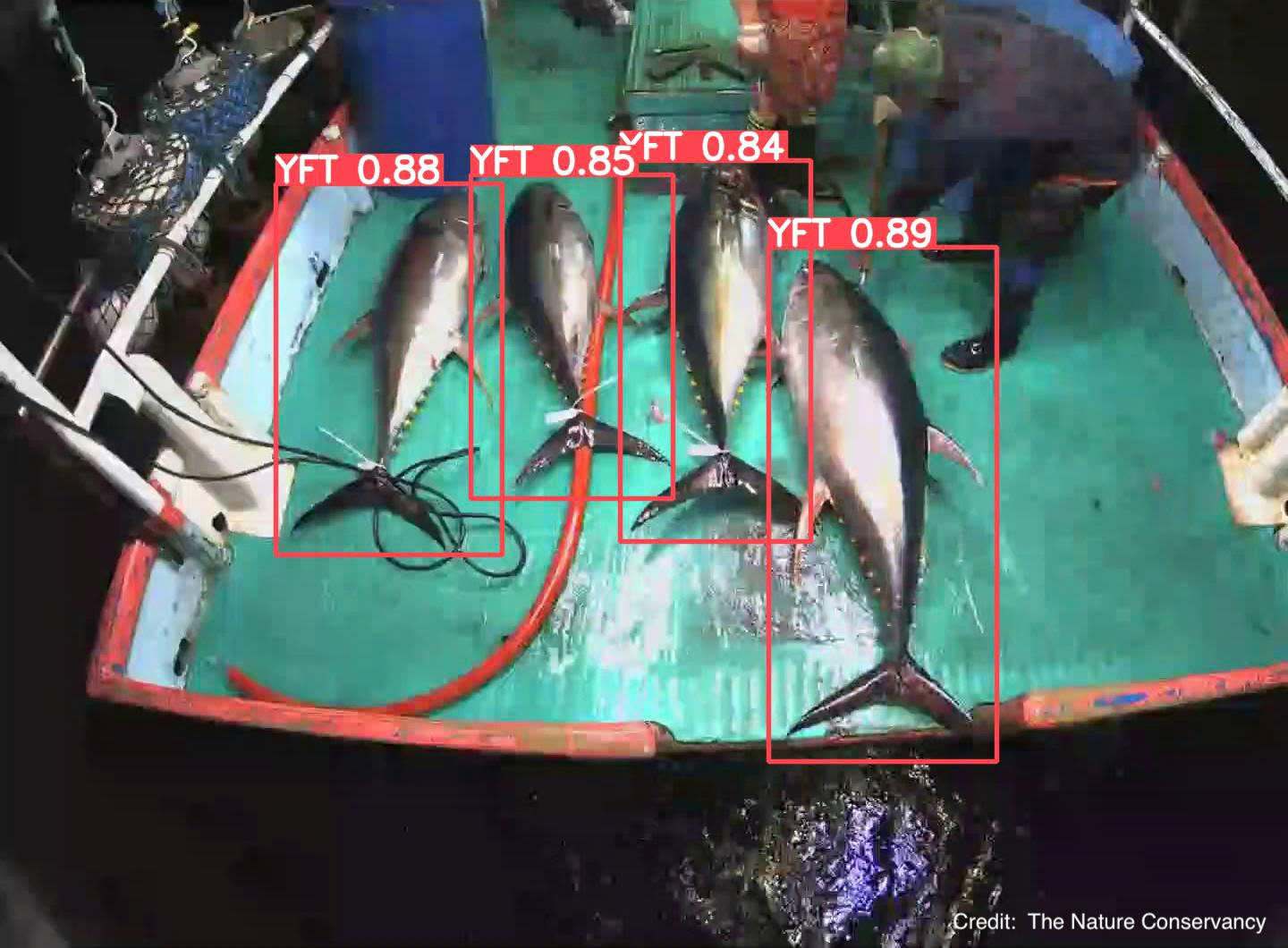 Monitoring Fishing Activity on the Edge: mobilizing EM and edge computing to improve transparency of global longline tuna fisheries with near real‑time catch verification
-
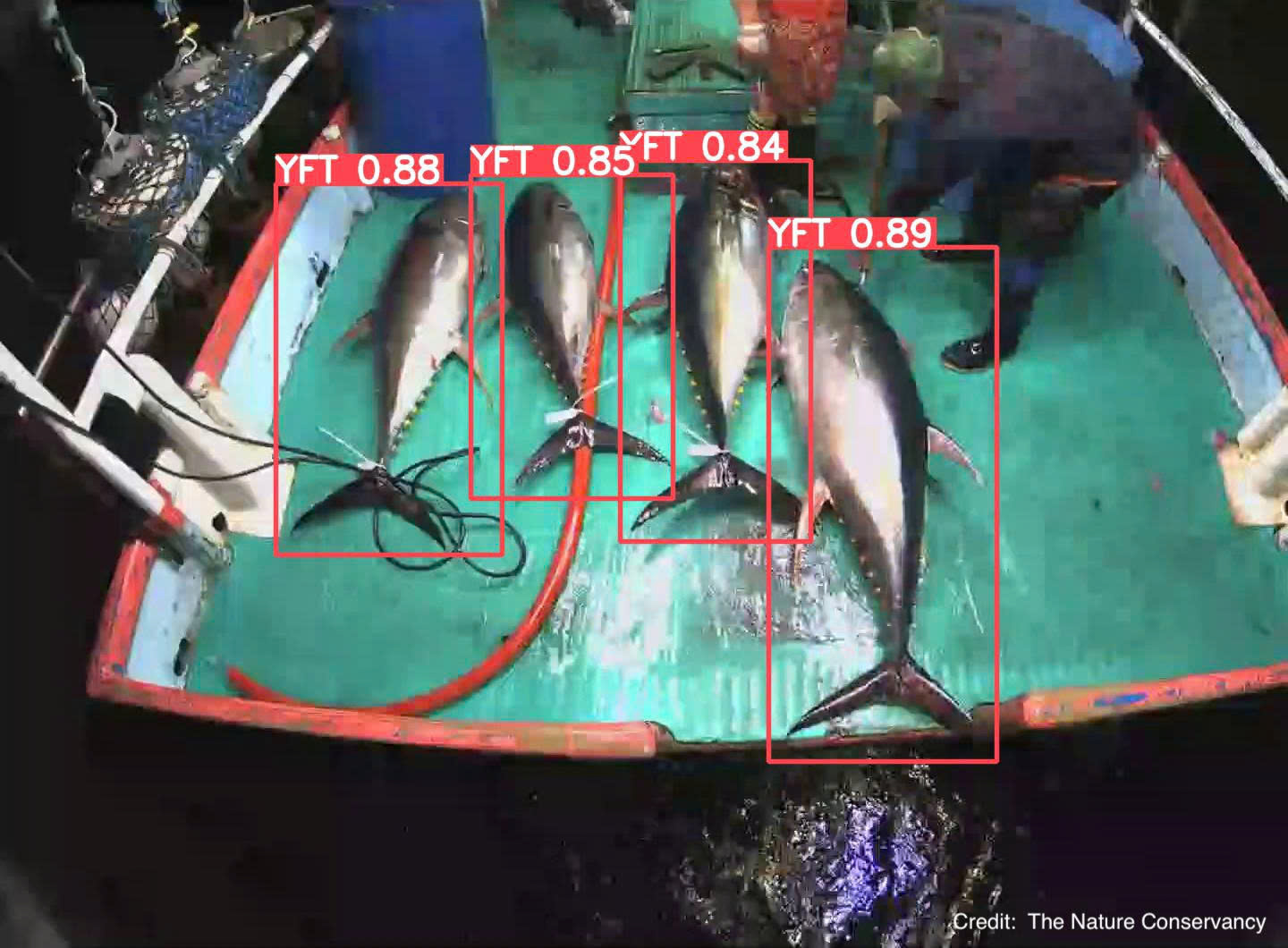 Monitoring Fishing Activity on the Edge: mobilizing EM and edge computing to improve transparency of global longline tuna fisheries with near real‑time catch verification
-
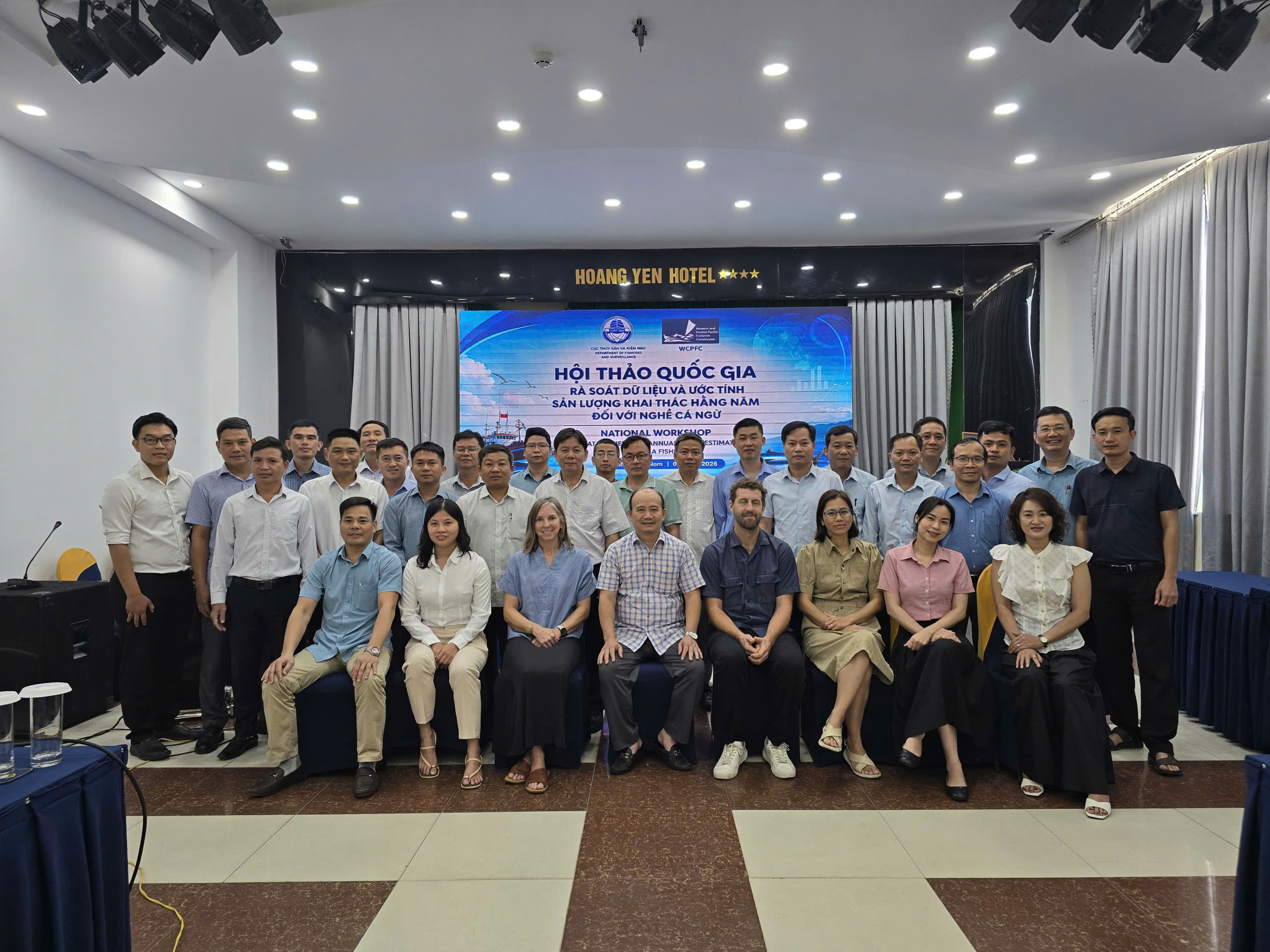
 National Workshop on Data Review and Annual Catch Estimation for Tuna Fisheries
-
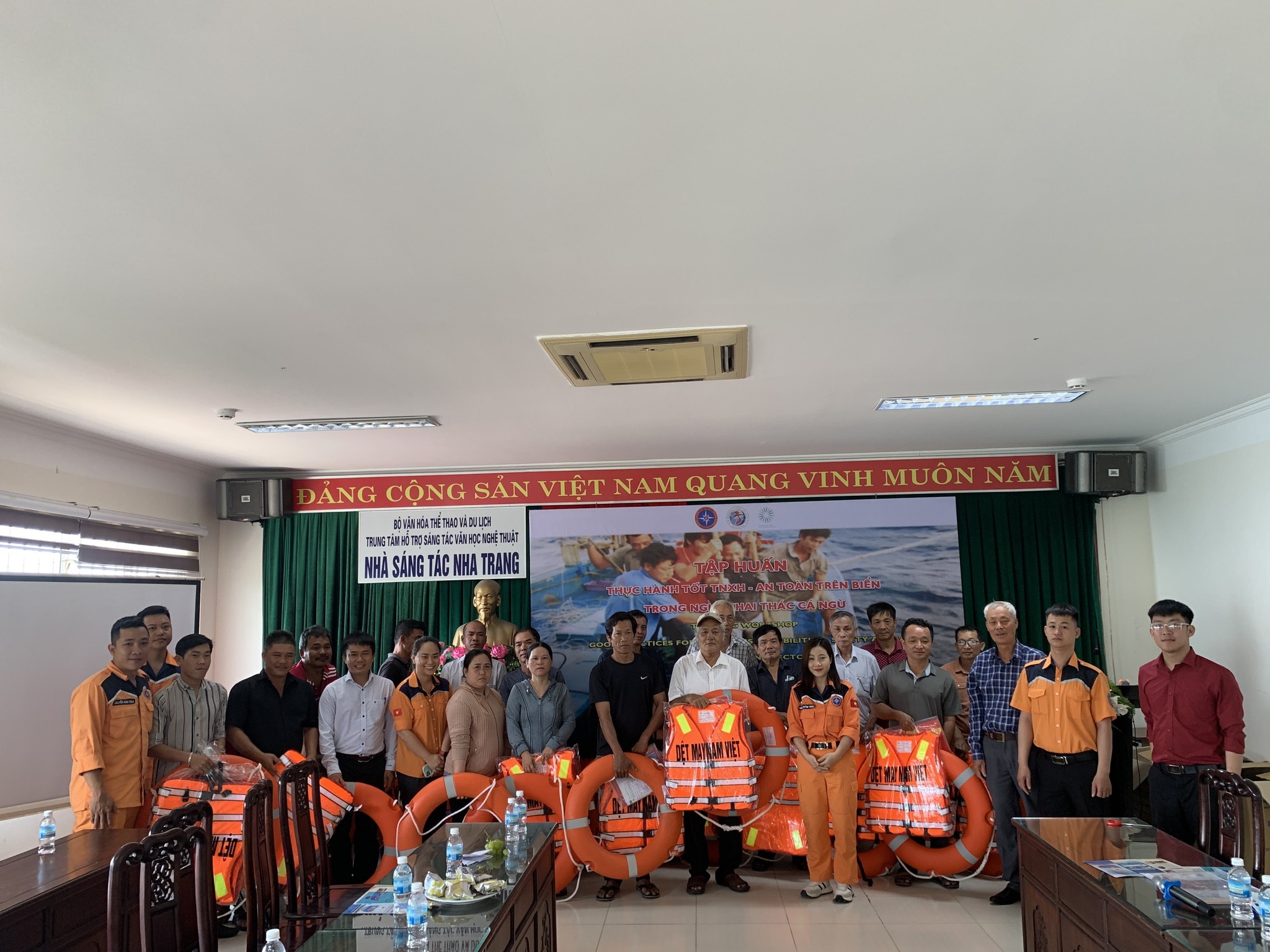
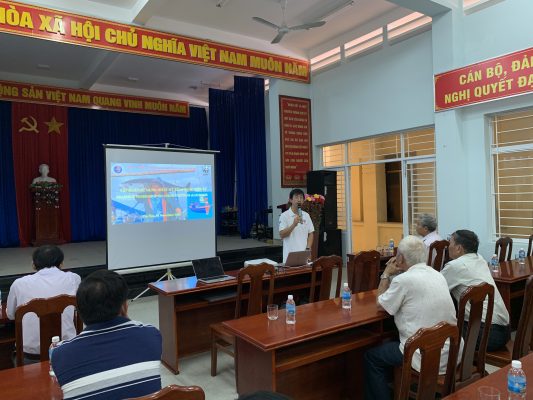
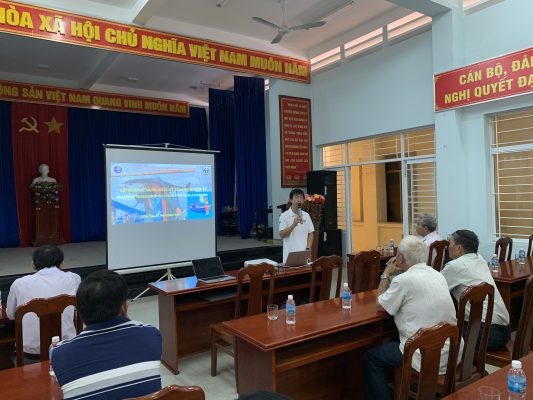
 Workshop - Training "Promoting sustainable fisheries and Handling - rescuing Endangered, Threatened, Protected species in tuna fishery"
-
 GDST lauching 03 OCt
-
 Training Workshop On Fishing Elogbook In Phu Yen
-
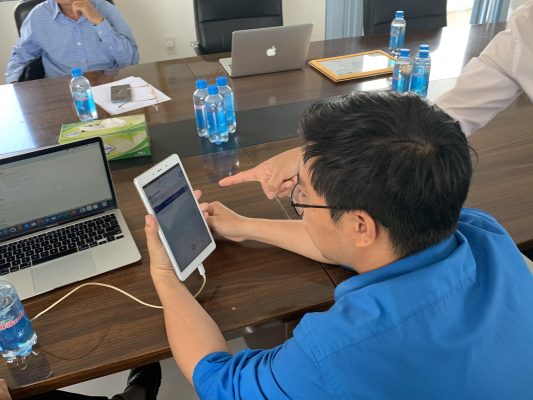 New Way To Tracing Your Tuna Products
Social Responsibility in Seafood – Current and Future Demand Trends!
(09am, March 14, 2019) In the context of international integration and Vietnam's increasingly deep participation in free trade agreements, the implementation of international labor commitments in supply chains has received growing attention, especially regarding labor and child labor issues.
On the morning of March 13, 2019, in Hanoi, the Ministry of Labor, War Invalids and Social Affairs coordinated with the International Labour Organization (ILO) to organize a Policy Dialogue: International labor standards on labor in the context of international trade commitments. Participants in the dialogue included leaders of the Ministry of Labor, War Invalids and Social Affairs, the Department of International Cooperation, the Department of Children, the Institute of Labour Science and Social Affairs, along with representatives from the Vietnam Chamber of Commerce and Industry (VCCI), international experts, domestic enterprises, and industry associations across the country, including the participation of the Vietnam Tuna Association.
In his opening remarks at the Dialogue, Deputy Minister Nguyễn Thị Hà stated that as Vietnam integrates more deeply into the international community through participation in various international trade commitments such as the Comprehensive and Progressive Agreement for Trans-Pacific Partnership (CPTPP) and the Vietnam – European Union Free Trade Agreement (EVFTA), it is extremely necessary to strengthen and raise awareness among stakeholders on the issue of social responsibility, which is significant for the country's socio-economic development in general and particularly for the business community. In addition, the issue of child labor has also been given considerable attention over the years. The Deputy Minister emphasized that addressing labor issues, especially child labor, requires the close coordinated participation of all partners in society, including state agencies, businesses, trade unions, social organizations, families, and communities.
International experts presented lessons learned from Thailand's aquaculture sector regarding social responsibility.
Speaking at the Dialogue, Mr. Chang-Hee Lee, Director of the ILO in Vietnam, stated that Vietnam was selected as one of the pioneering countries in Alliance 8.7.
Alliance 8.7 – (is a global partnership committed to accelerating action, promoting innovation, generating knowledge, and leveraging resources to achieve the committed Sustainable Development Goals, including the Sustainable Development Goal to eliminate forced labor, end modern slavery, human trafficking, and abolish the worst forms of child labor that are hazardous and heavy).
A representative of the Vietnam Chamber of Commerce and Industry stated that supply chains producing goods and services for millions of people every day face the risk of labor issues, especially child labor. Businesses need to pay attention to ensure their supply chains have no problems related to forced labor, particularly the use of child labor, otherwise they could lose credibility and negatively affect their business. However, the current reality is that many business owners still lack proper awareness of corporate social responsibility. This needs to be improved, and there are many methods to promote, mobilize, and train businesses on social responsibility issues.
At the seminar, the representative of the Vietnam Tuna Association presented viewpoints from the Association's perspective and contributed opinions to the state management agencies regarding labor social responsibility issues for upcoming activities. The representative of the Vietnam Tuna Association emphasized the disadvantages, risks, and problems faced by the fishing community, the most important factor in the seafood supply chain. Additionally, issues regarding the lack of database sources for analyzing and assessing social responsibility aspects in the supply chain of seafood products in general, and tuna products in particular, were also mentioned, aiming to propose solutions to reduce labor problems in the fishing industry. The Vietnam Tuna Association clearly expressed its concern for enhancing social responsibility and is ready to act as a bridge and support the state in implementing programs to improve social responsibility in the tuna sector.
VINATUNA