Tiếng Việt
















-
 Monitoring Fishing Activity on the Edge: mobilizing EM and edge computing to improve transparency of global longline tuna fisheries with near real‑time catch verification
-
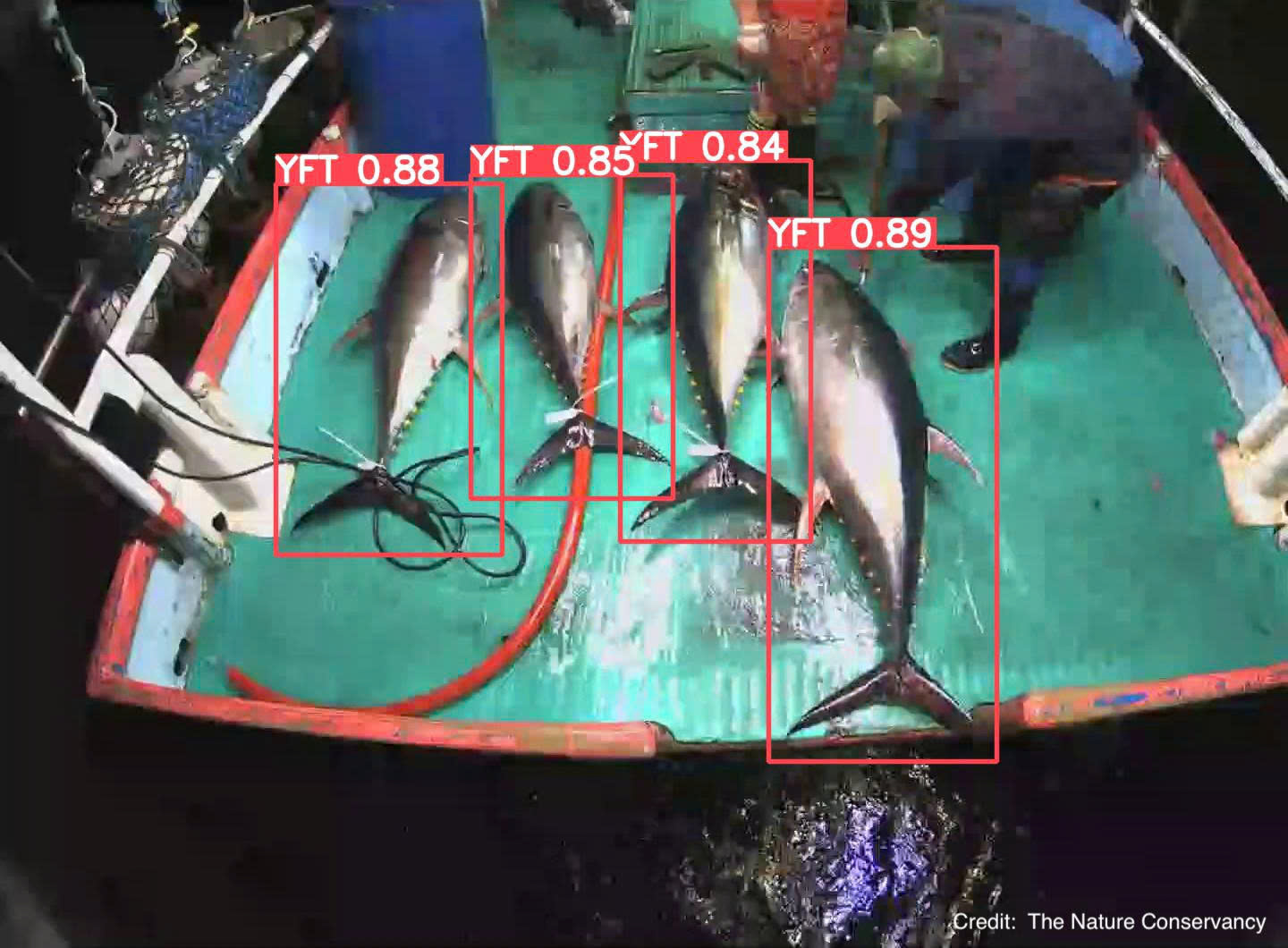 Monitoring Fishing Activity on the Edge: mobilizing EM and edge computing to improve transparency of global longline tuna fisheries with near real‑time catch verification
-
 National Workshop on Data Review and Annual Catch Estimation for Tuna Fisheries
-
 Workshop - Training "Promoting sustainable fisheries and Handling - rescuing Endangered, Threatened, Protected species in tuna fishery"
-
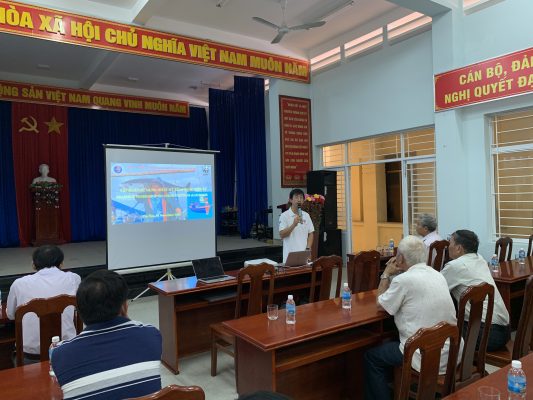 GDST lauching 03 OCt
-
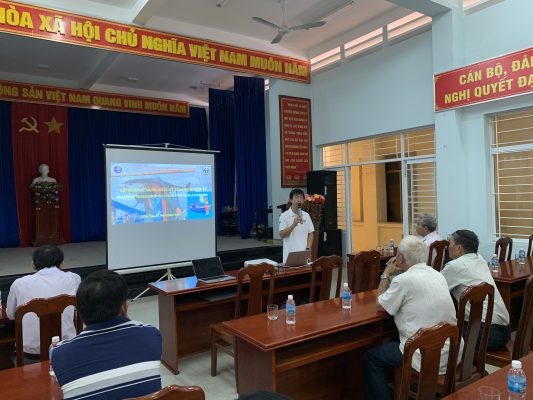 Training Workshop On Fishing Elogbook In Phu Yen
-
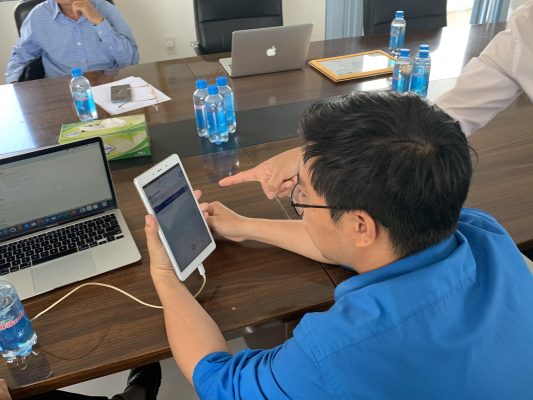 New Way To Tracing Your Tuna Products
Monitoring Fishing Activity on the Edge: mobilizing EM and edge computing to improve transparency of global longline tuna fisheries with near real‑time catch verification
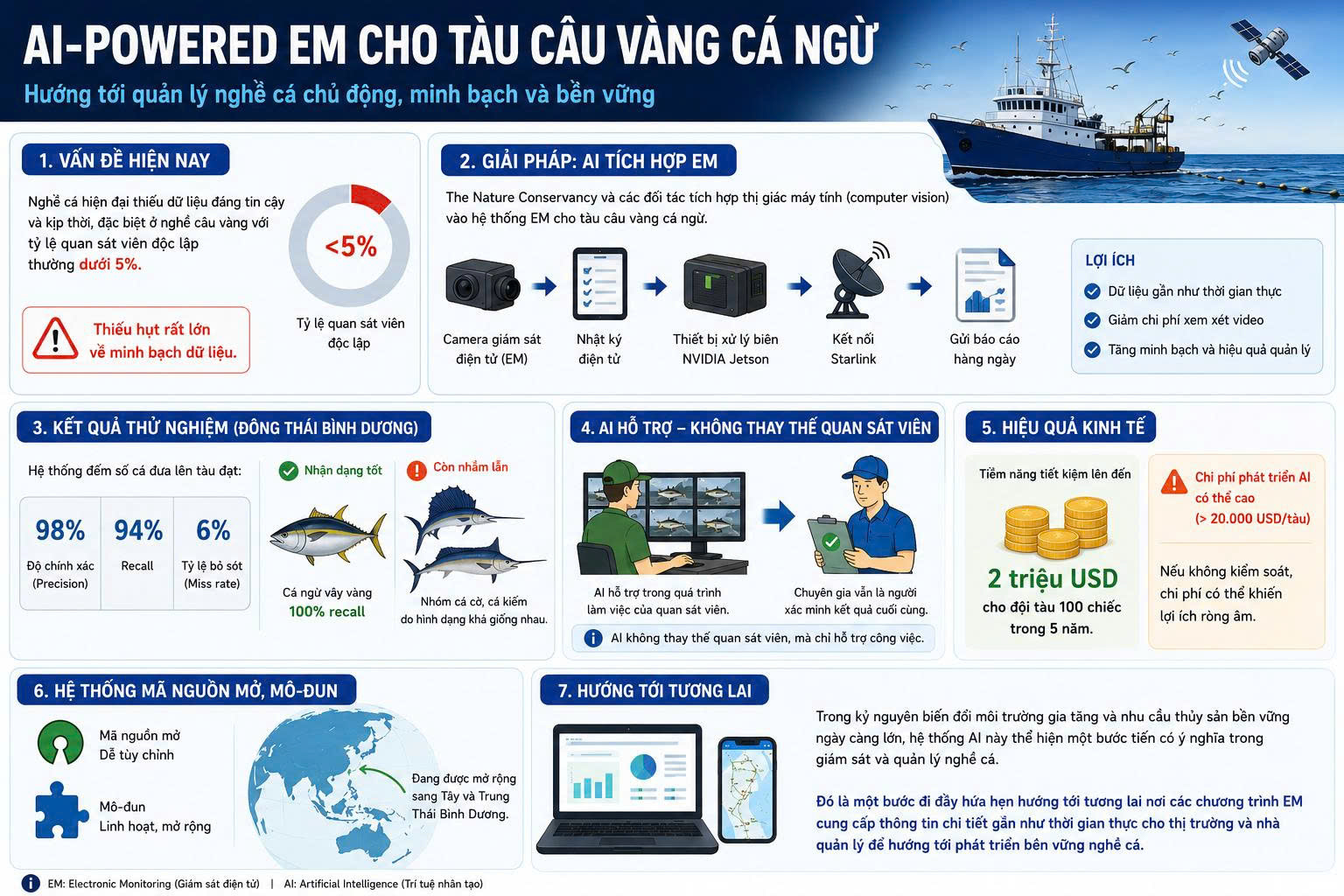
Currently, fisheries sector are facing a major lack of reliable and timely data, particularly in longline fisheries where independent observer coverage is often below 5%, posing a significant gap in data transparency. The Nature Conservancy and its partners are addressing these barriers to scale up Electronic Monitoring (EM) by researching and developing the integration of computer vision into EM camera systems for tuna longline vessels. The system combines electronic monitoring (EM) cameras, electronic logbooks, NVIDIA Jetson edge computing devices, and Starlink connectivity to transmit daily reports.
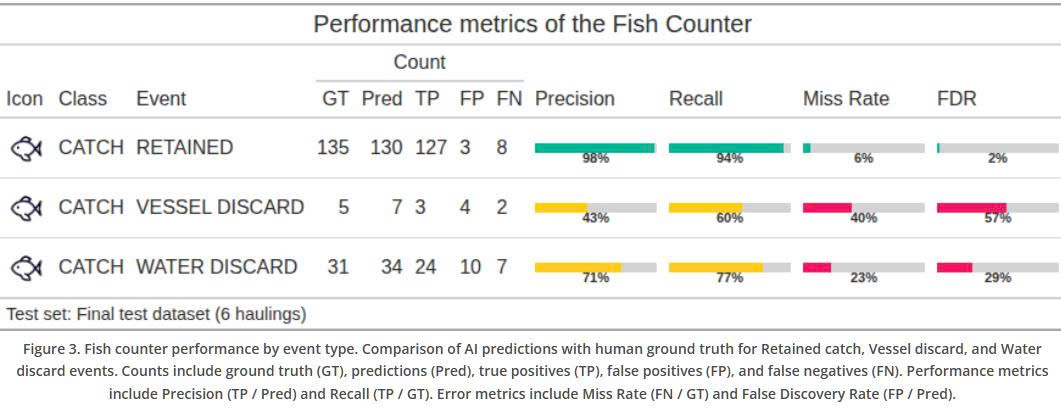
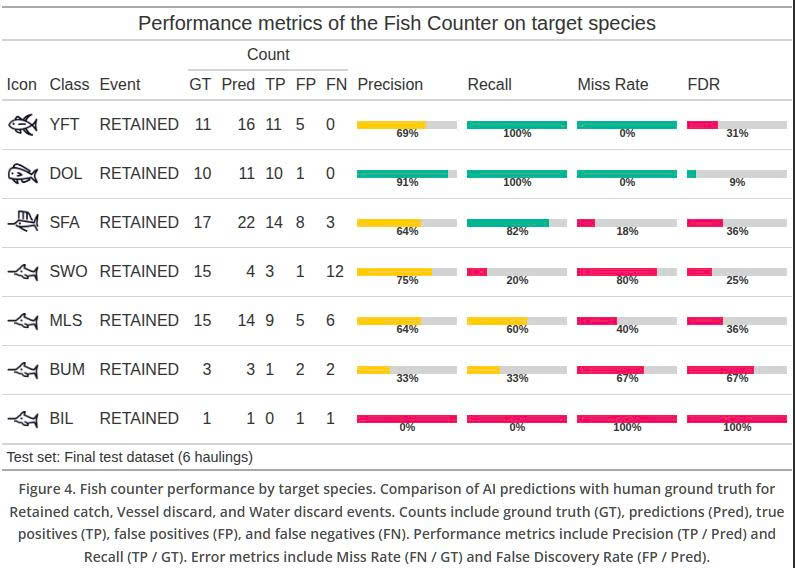
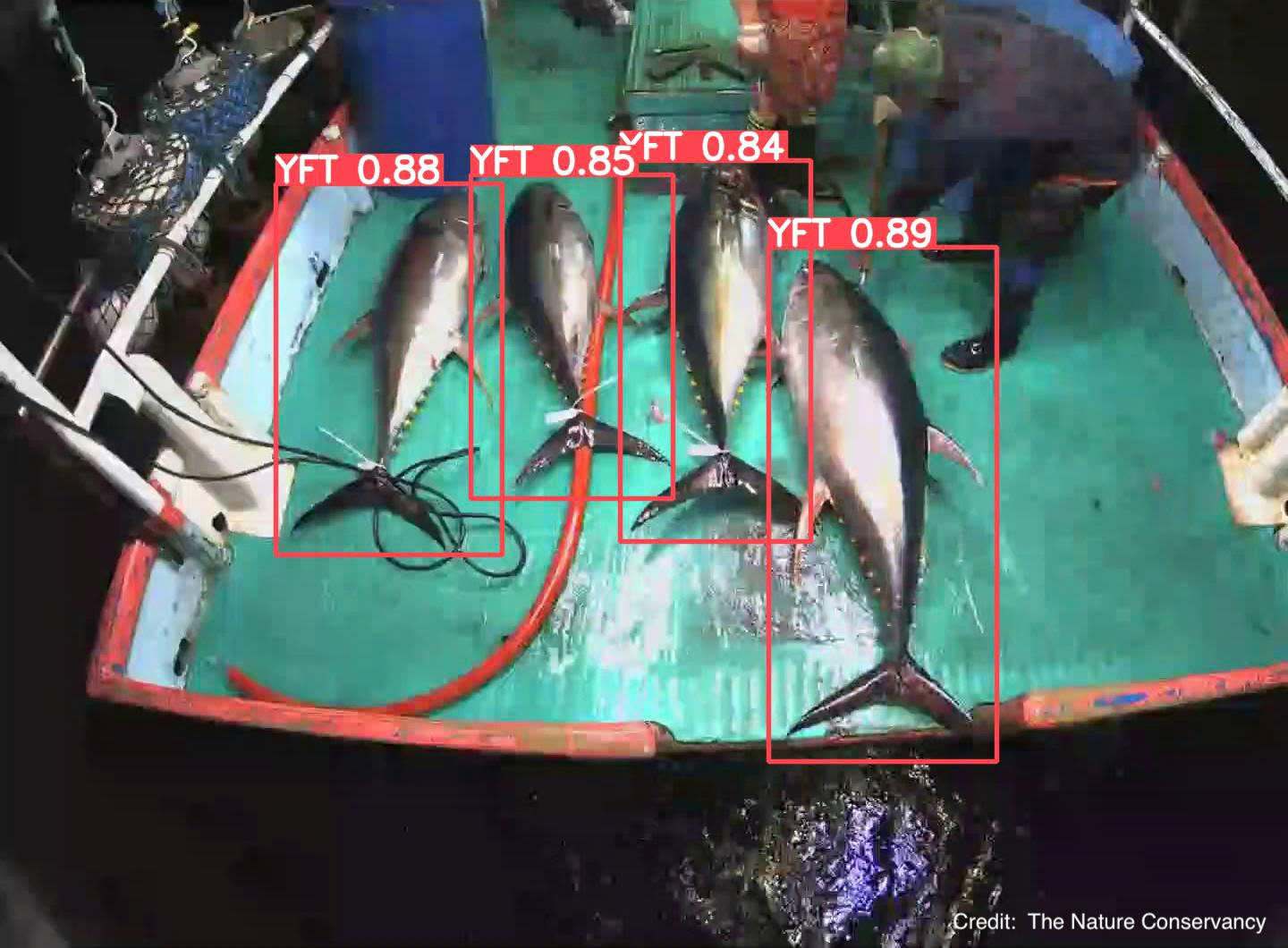
Trial results in the Eastern Pacific Ocean showed that the system achieved 98% accuracy in counting fish brought onboard and 94% recall overall. It also demonstrated excellent identification performance for yellowfin tuna (100% recall), although confusion still occurred among billfish species such as marlins and swordfish due to their similar body shapes.
It is important to note that AI is not intended to replace human observers, but rather to support their work. Human experts still verify and validate the final results. The cost of AI development can be high (over USD 20,000 per vessel), and without proper cost management, the net economic benefit could become negative, despite the potential savings of up to USD 2 million for a fleet of 100 vessels over five years.
The system is open-source and modular, and it is currently being expanded to the Western and Central Pacific Ocean to support more proactive, transparent, and sustainable fisheries management. In an era of increasing environmental change and growing demand for sustainable seafood, this AI-driven system represents a meaningful advancement in fisheries monitoring and management. It is a promising step toward a future where EM programs can provide near real-time insights for both seafood markets and fisheries managers in support of sustainable fisheries development.
Images: