Tiếng Việt






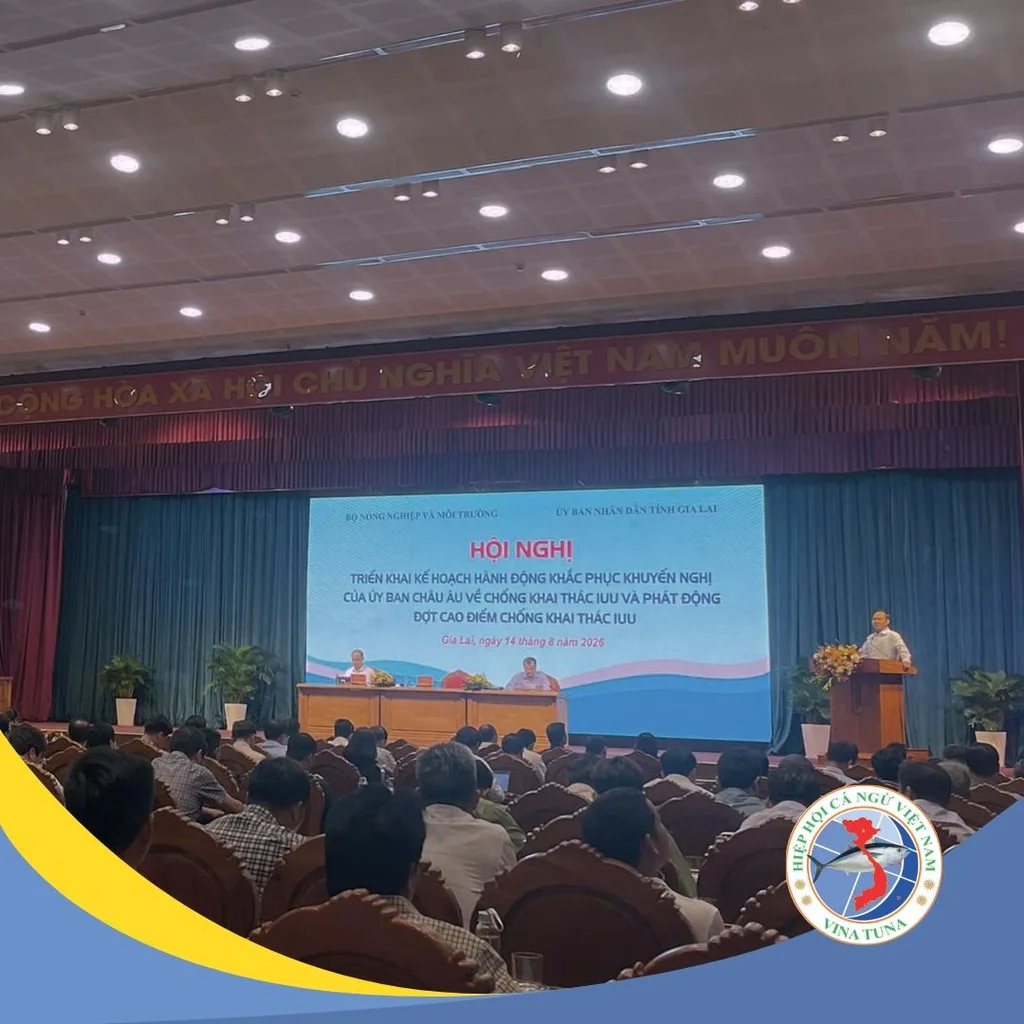
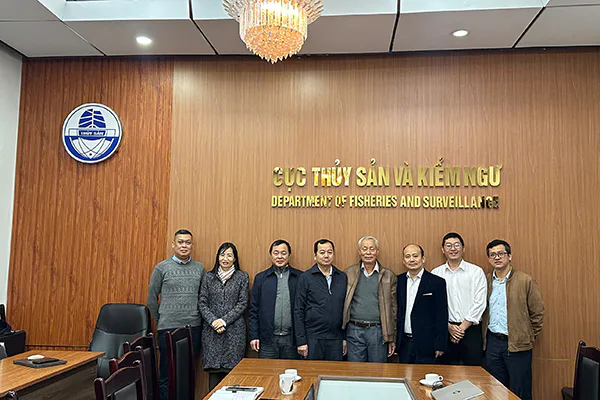
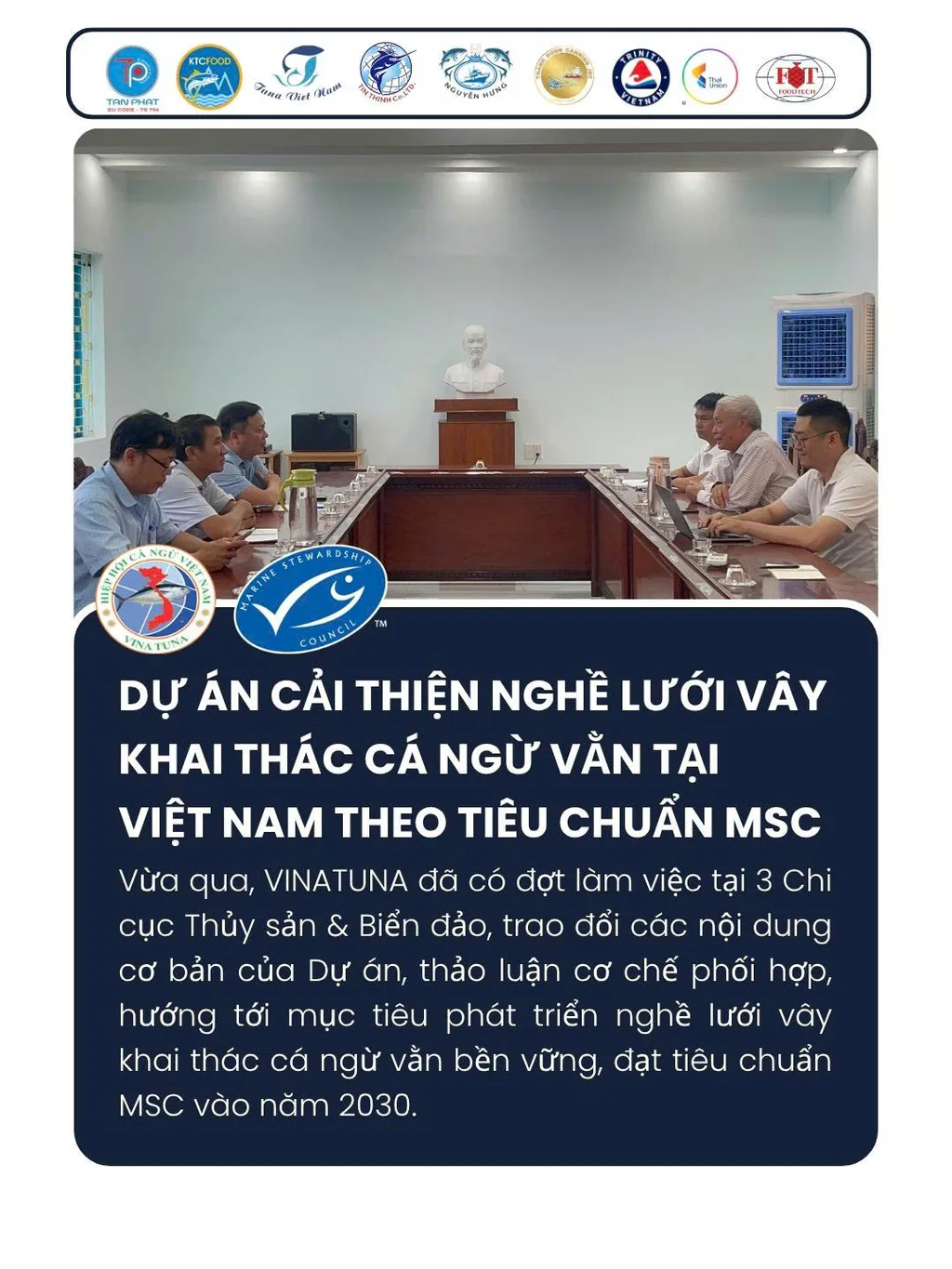
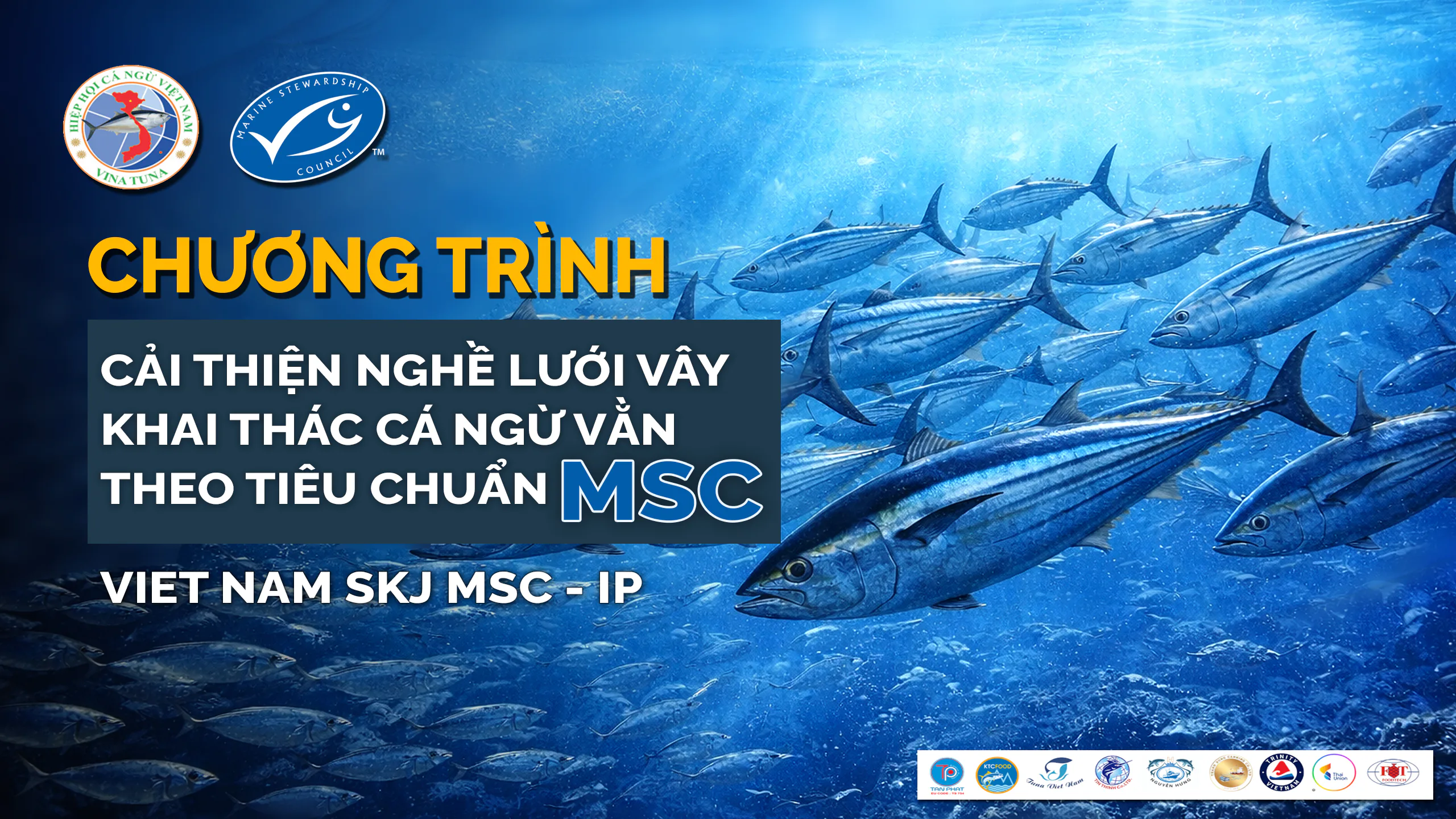
As Vietnam’s fisheries sector—particularly the tuna industry—faces mounting pressure from international markets, a working session between the Directorate of Fisheries and Surveillance and the Vietnam Tuna Association (VINATUNA) has set out a strategic pathway to address technical barriers and strengthen the global competitiveness of Vietnamese tuna, especially skipjack tuna. Beyond export figures, the discussion is Vietnam’s commitment to sustainable - responsible development, integration into the global seafood market.
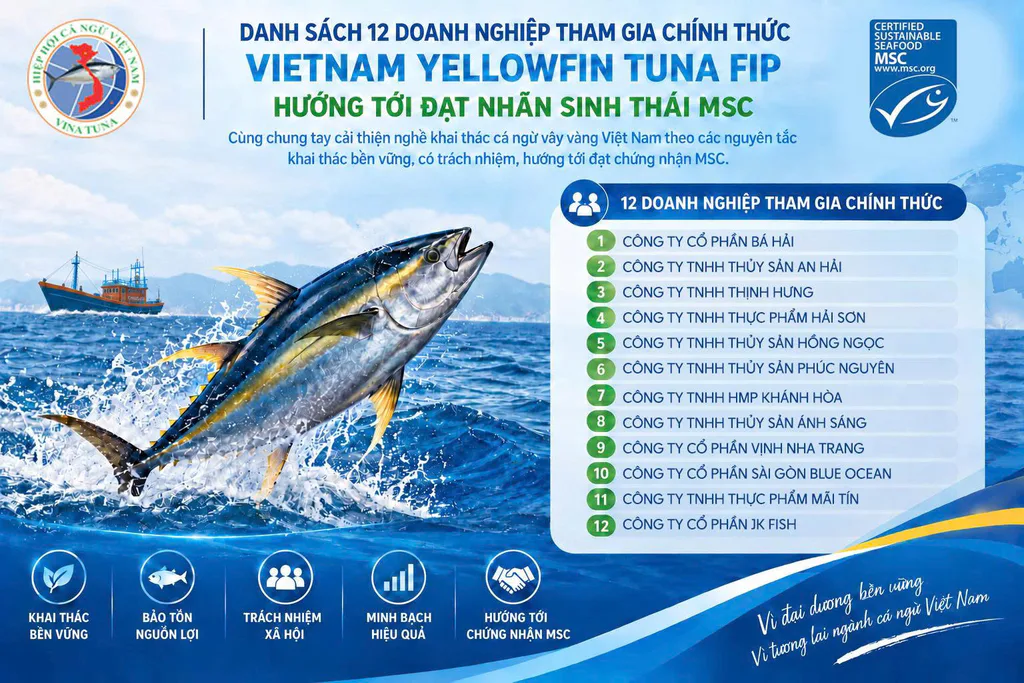
In 2025, despite notable efforts by industry stakeholders, Vietnam’s tuna exports reached only an estimated USD 890 million, representing a decline of over 5 percent compared to the previous year and falling short of the projected USD 1 billion target. The shortfall was largely attributed to increasingly stringent technical and sustainability requirements imposed by key markets such as the United States and the European Union. Meanwhile, major competitors including Indonesia and the Philippines have already achieved Marine Stewardship Council (MSC) certification, placing Vietnam at risk of losing the exporting market. In this context, achieving MSC certification for the skipjack tuna purse seine fishery has become a strategic priority for deeper integration into global value chains.
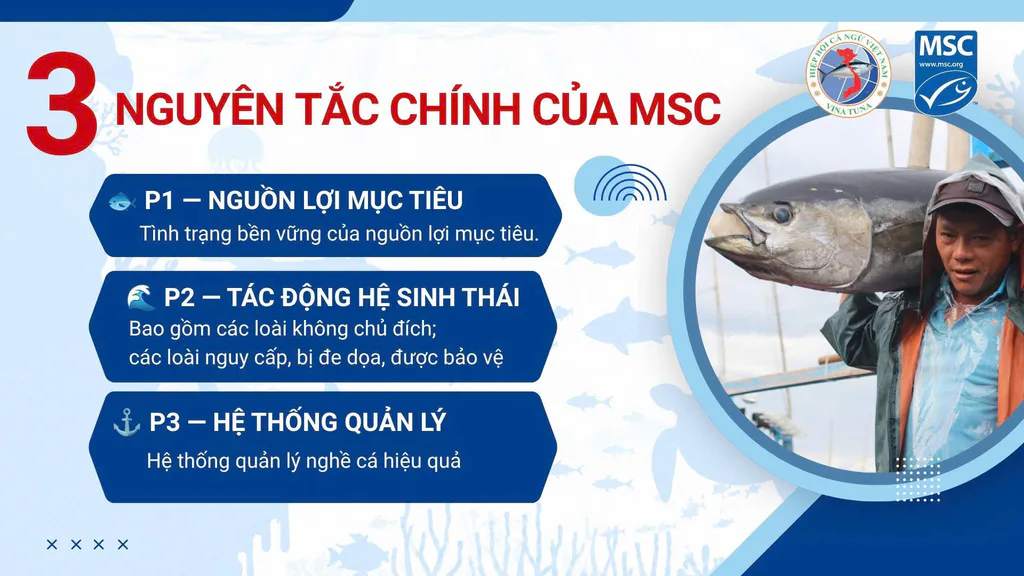
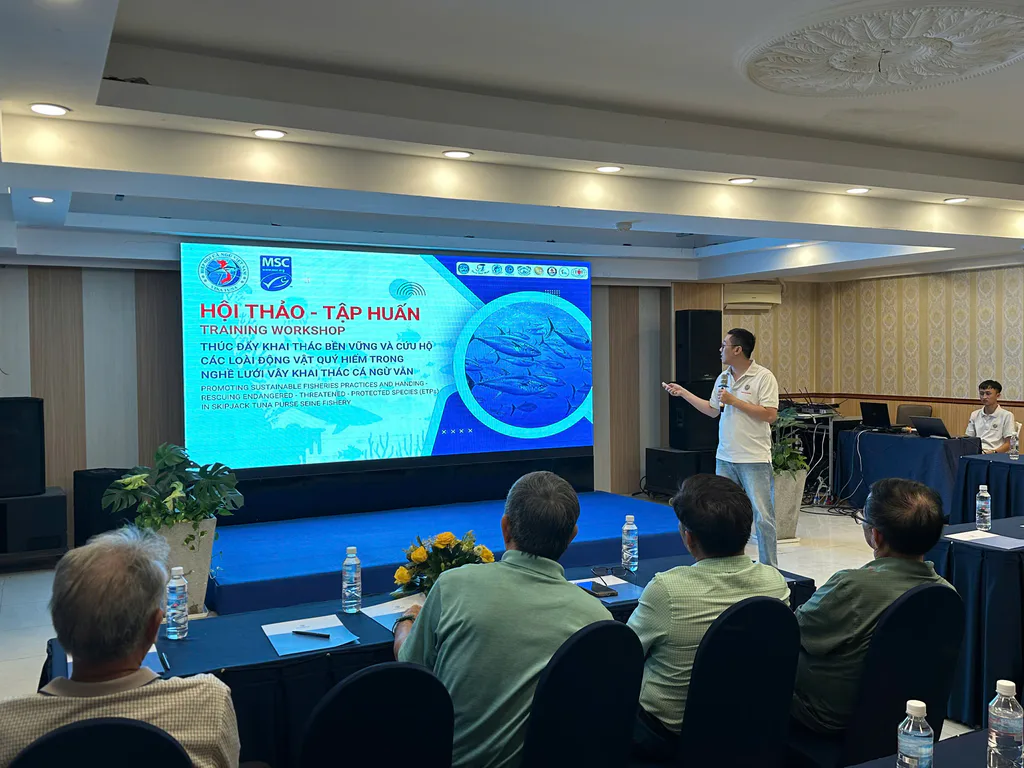
The MSC Improvement Project (MSC IP), implemented by VINATUNA under the MSC framework, follows a roadmap for the 2026–2030 period, towarding the full assessment planned in 2031. The project target to skipjack tuna harvested by purse seine vessels 15 meters or longer, operating across ten coastal provinces from Quảng Trị to Đồng Tháp. Preliminary assessments conducted by an independent body have identified several critical gaps, particularly in environmental impact mitigation. These gaps include insufficient independent data due to low onboard observer coverage, which remains below the internationally recommended 5%. In addition, there is a lack of quantitative evidence demonstrating effective mitigation of interactions with endangered species, including sea turtles, marine mammals, and sharks. Furthermore, Vietnam’s regulatory framework has yet to establish explicit prohibitions on finning at sea (FNA), a mandatory requirement under MSC standards.
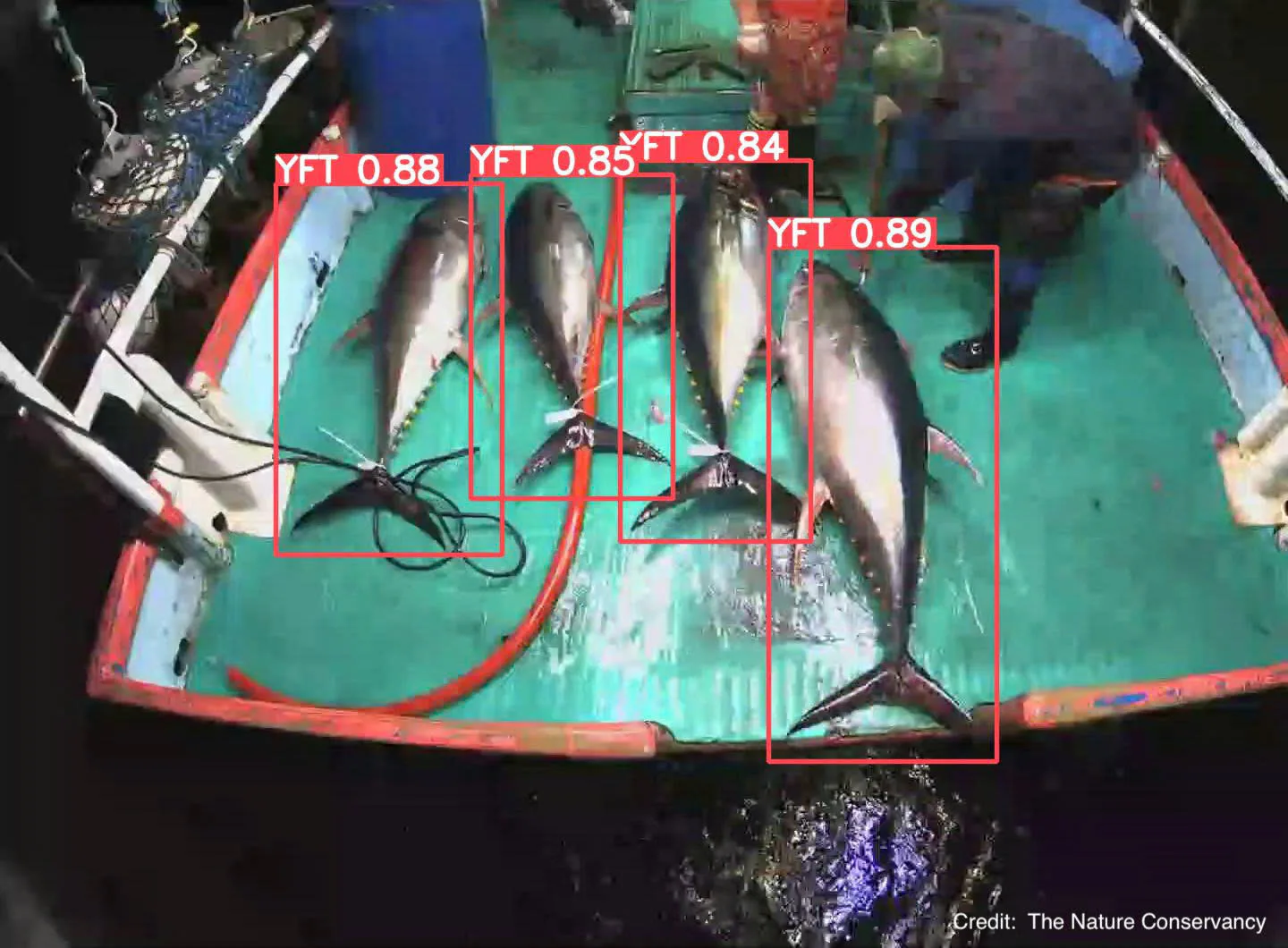
The meeting highlighted a strong collaboration between government authorities and industry representatives. Leaders of the Directorate of Fisheries confirmed their support for VINATUNA by improving relevant regulations and integrating international sustainability standards into Decree, Circular in fisheries sector. The project is largely funded and carried out by industry stakeholders, demonstrating a strong sense of ownership and commitment within the sector. Government agencies will also provide technical support, to support the MSC certification process. At the same time, electronic monitoring technologies, such as onboard monitoring cameras, will be tested to support or partially replace human observers, helping to improve data reliability while reducing costs.
Pursuing MSC certification is not simply about addressing the issues identified in pre-assessment reports. It represents a fundamental shift in fishing practices and in how fisheries are managed at the local level. With transparent data, better protection of bycatch species, and fishing practices aligned with international regulations, Vietnam’s tuna industry will be well placed to strengthen its position and credibility in the global market.
Author: Hương Trà
Source: https://tongcucthuysan.gov.vn/vi-vn/tin-t%E1%BB%A9c/-tin-v%E1%BA%AFn/doc-tin/023936/2026-01-08/hiep-hoi-ca-ngu-viet-nam-lam-viec-voi-cuc-thuy-san-va-kiem-ngu-ve-du-an-cai-thien-nghe-khai-thac-ca-ngu-van-bang-luoi-vay-tai-viet-nam-huong-den-tieu-chuan-ben-vung-msc
Pictures: