Tiếng Việt




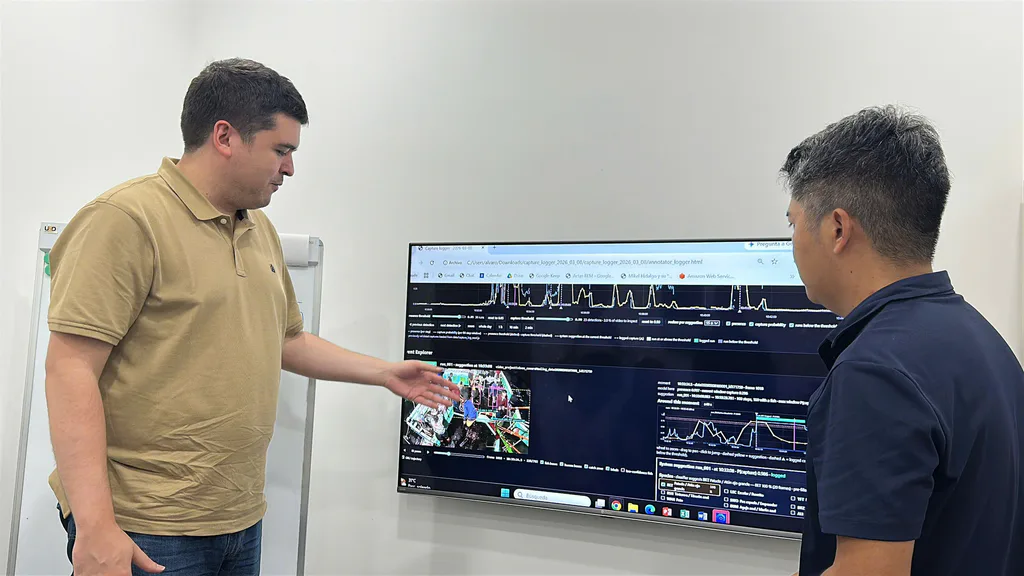
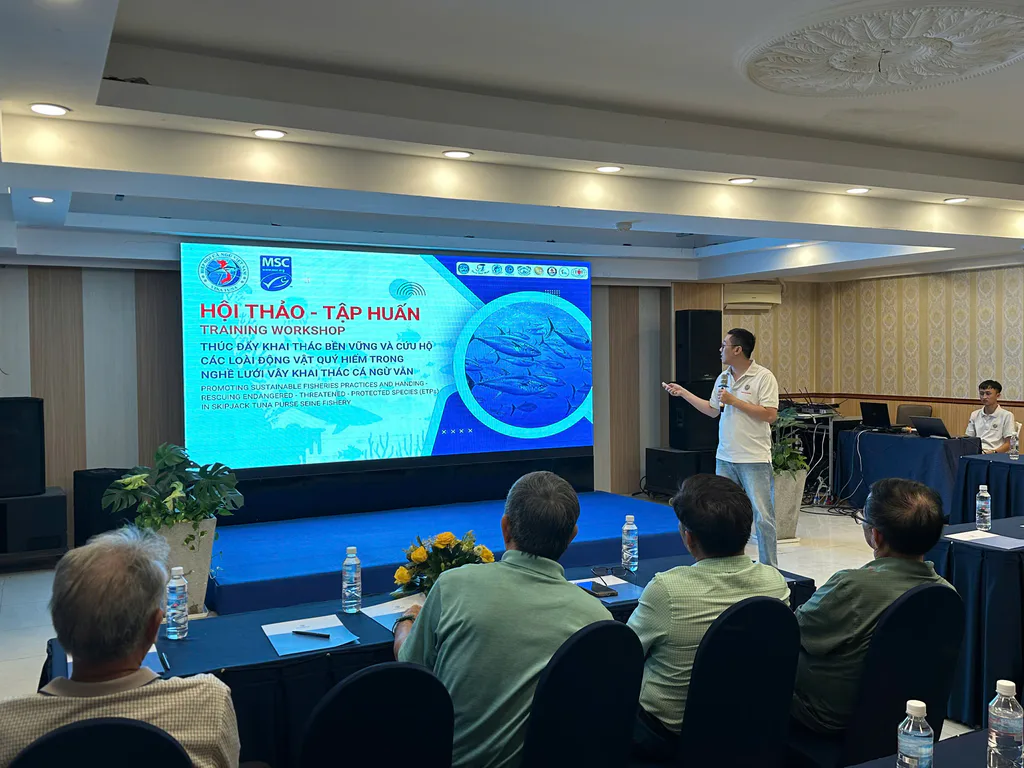

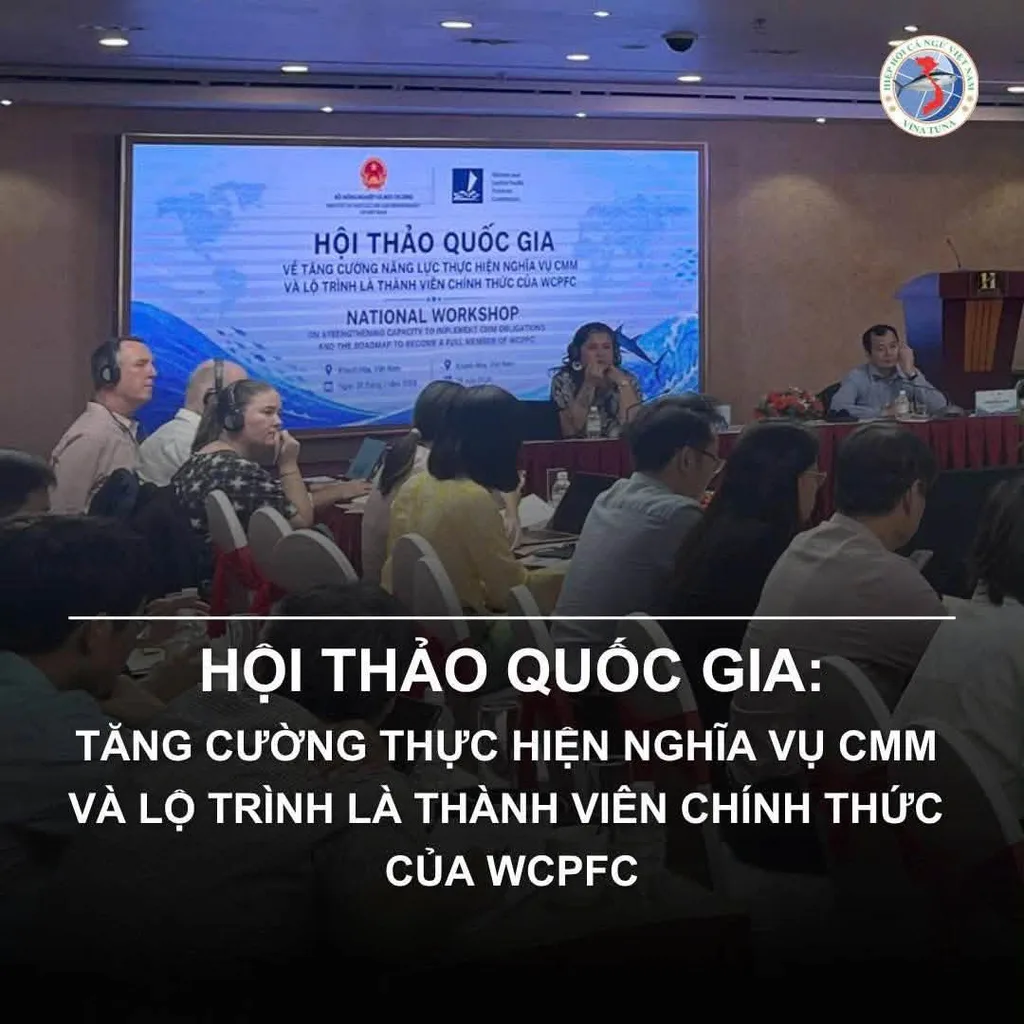
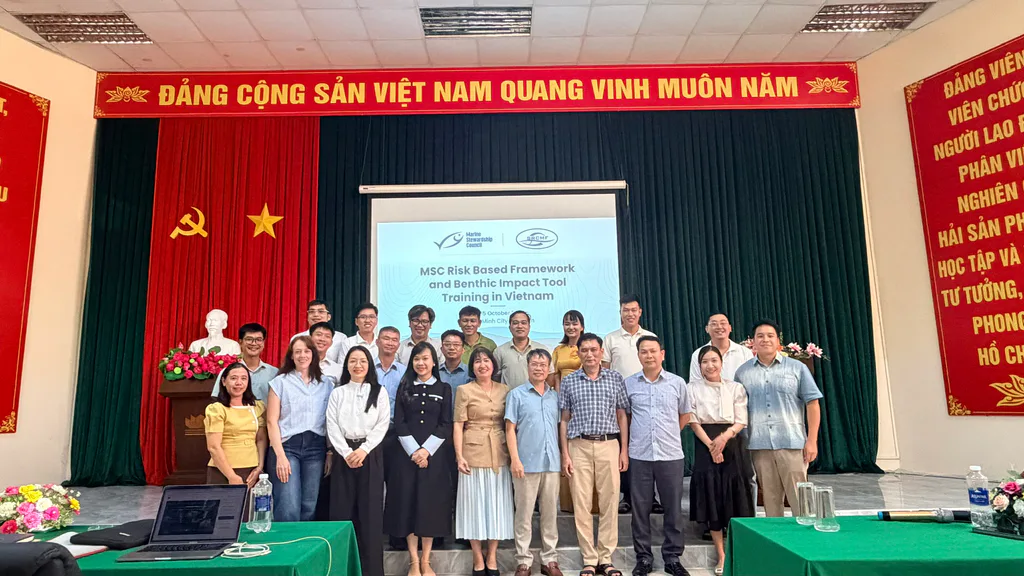
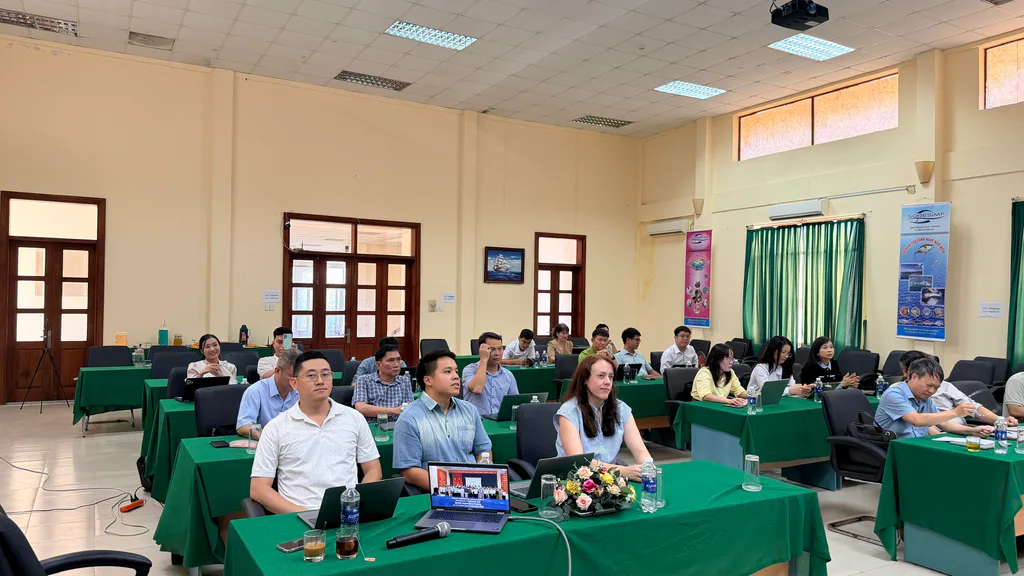
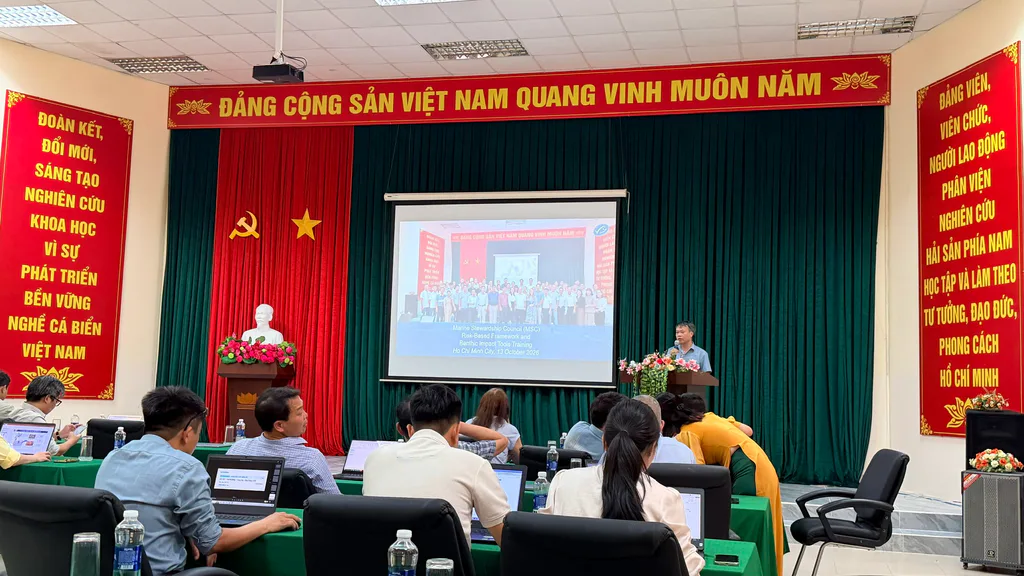
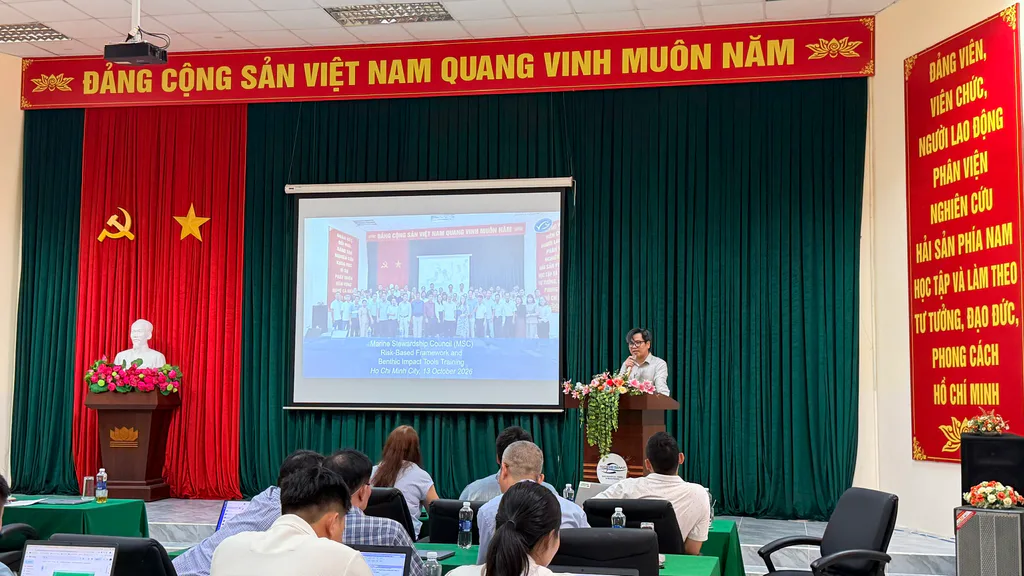
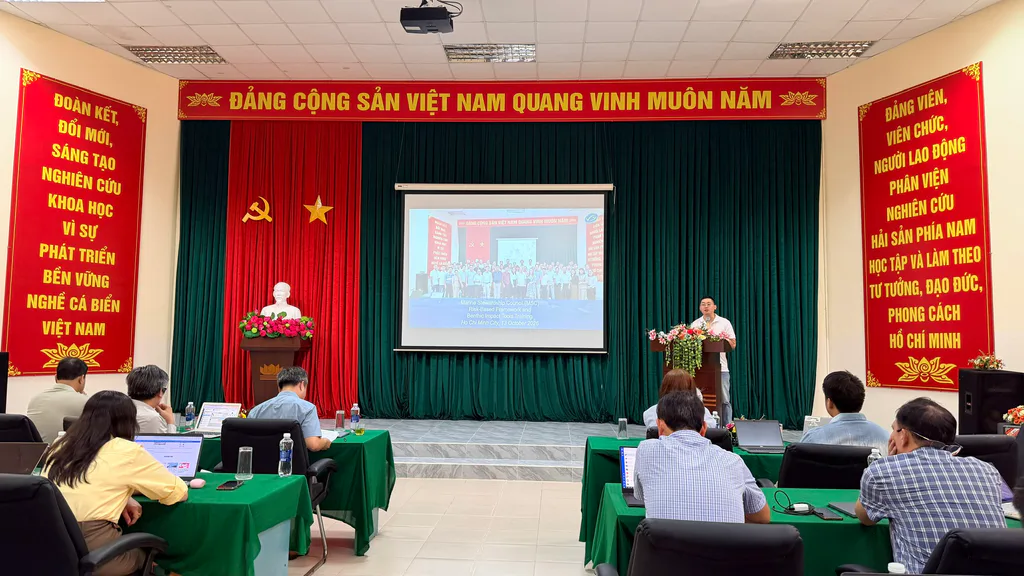
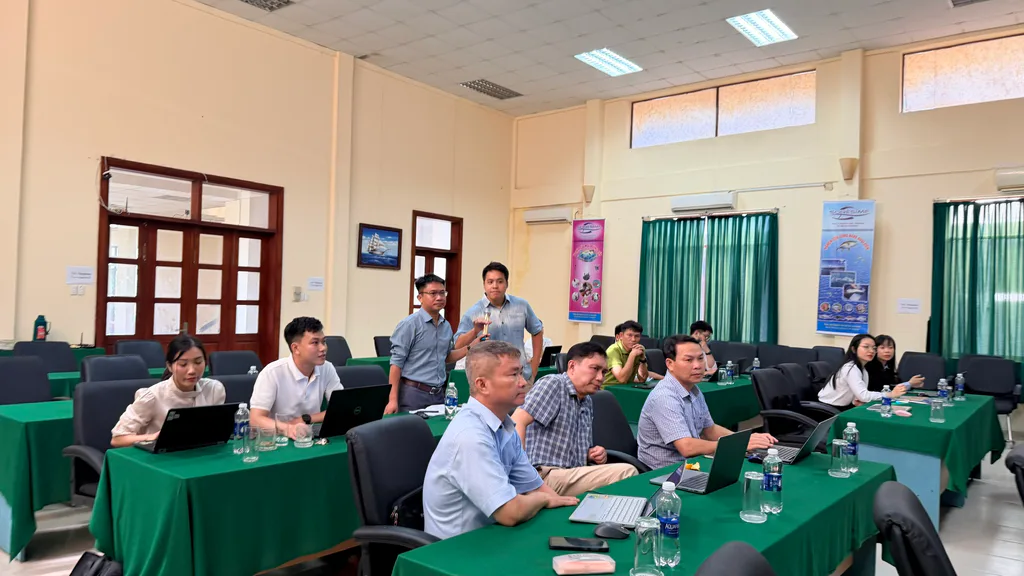
From 13 to 15 October 2026, the Vietnam Tuna Association (VINATUNA) participated in a training course on “Applying the Risk-Based Framework (RBF) to Assess Data-Limited Fisheries in Vietnam,” held at the Southern Research Center for Marine Fisheries (SRCMF) in Ho Chi Minh City.The course was organized by SRCMF in collaboration with international technical experts from the Marine Stewardship Council (MSC). MSC experts introduced the assessment methods and guided participants through practical exercises using the assessment tools.
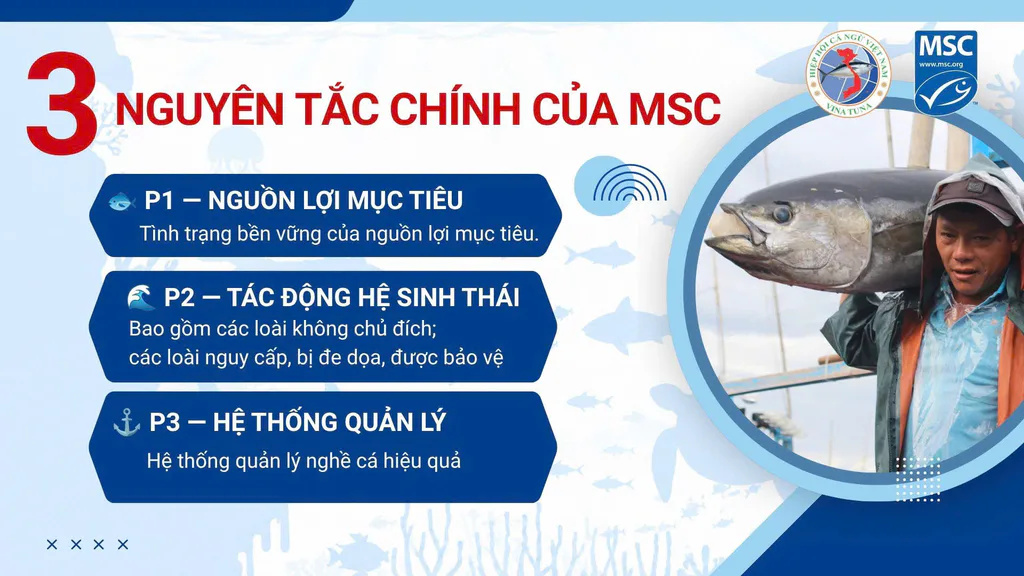
The Risk-Based Framework (RBF) is used by the MSC to assess fisheries where data are limited. It draws on scientific evidence, information gathered from fishers, expert judgement and stakeholder input, applying a precautionary approach where information is insufficient.The training covered several key assessment tools:
- CA (Consequence Analysis): Examines the effects of fishing on the target species’ population using indicators of population size, age and size structure, reproductive capacity, or geographic range.
- PSA (Productivity Susceptibility Analysis): Assesses risk to a species by considering its capacity to recover alongside its susceptibility to fishing. Factors include the overlap between fishing grounds and the species’ distribution, the likelihood of encountering fishing gear, gear selectivity and post-capture mortality.
- CSA (Consequence Spatial Analysis): Assesses risks to habitats by considering their capacity to recover, the impacts of fishing gear and the spatial extent of fishing activity.
- SICA (Scale Intensity Consequence Analysis): Assesses ecosystem risk by examining the scale and intensity of fishing activity and its consequences for the ecosystem.
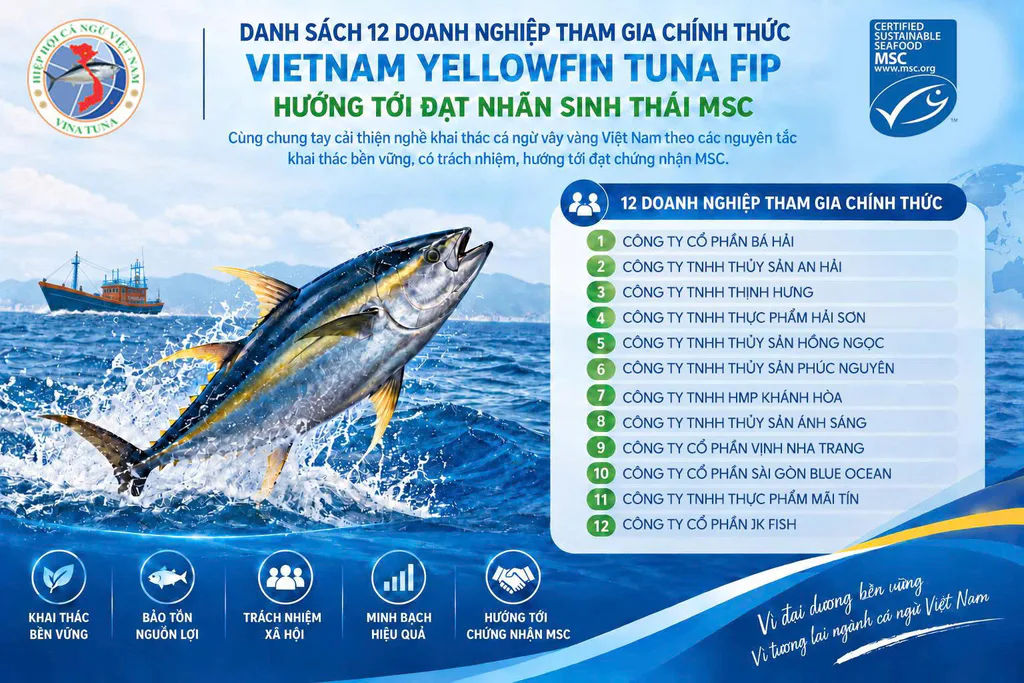
The course provided practical knowledge aligned with the requirements of the final assessment for the Vietnam Yellowfin Tuna Handline Fishery Improvement Project (Vietnam Yellowfin Tuna FIP). The training case studies provided a practical basis for the selection and application of suitable assessment methods for Vietnam YFT FIP. The application of these lessons will support data review, the identification of information gaps and the preparation of supporting evidence for the final assessment, in pursuit of MSC certification in 2027.
VINATUNA extends its sincere thanks to the MSC, SRCMF and the experts from agencies and organizations for their guidance and for sharing their experience throughout the course. We look forward to further technical exchanges and collaboration to advance fisheries improvement efforts and contribute to the sustainable fisheries development in Vietnam.
Pictures: